
Sleep Hygiene
Recognizing the importance of prioritizing sleep health can lead to significant improvements in physical, mental, and emotional well-being. Below, you’ll find a comprehensive list of healthy sleep hygiene habits.
By Pam Killeen, mineral balancing practitioner and nutritional consultant
Start with light
It’s crucial to remember that our sleep is intricately connected to our circadian rhythm, which, in turn, is influenced by our exposure to light. Therefore, among the recommendations provided, paying special attention to wearing blue light blockers, dimming lights in the evening, ensuring a dark sleeping environment, soaking in natural light during the day can profoundly support the regulation of your circadian rhythm and enhance the quality of your sleep. These practices harmonize with our body’s natural rhythms, promoting a more restorative and rejuvenating sleep experience.
Pay special attention to these four
- Wearing blue light blockers
- Dimming lights in the evening
- Ensuring a dark sleeping environment
- Soaking in natural light during the day
A comprehensive list of healthy sleep hygiene habits
Wearing earplugs
Blocks out noise disturbances and promotes uninterrupted sleep.
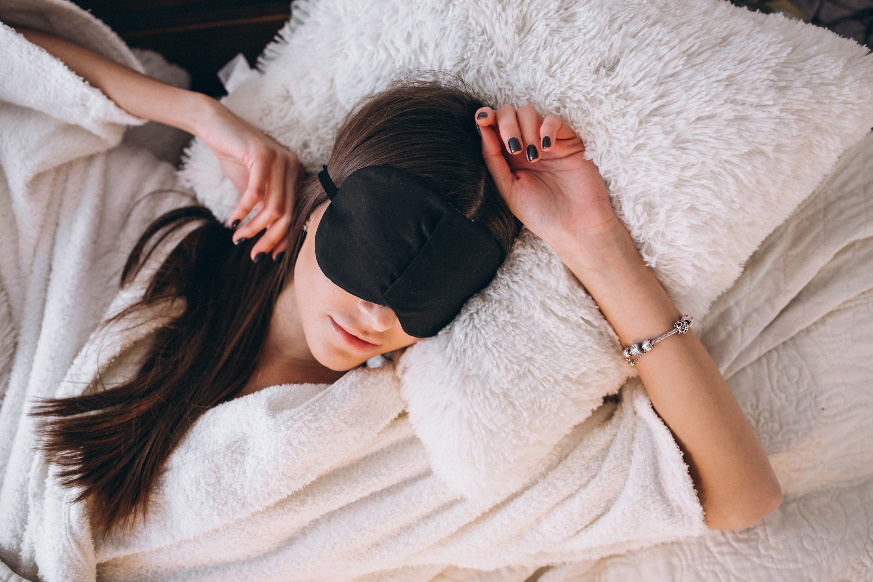
Using blackout curtains or a sleep mask
Creates a dark environment that signals the body to produce sleep-inducing hormones.
Using white noise
Masks disruptive sounds and creates a soothing sleep environment.
Mouth taping
Encourages nasal breathing and prevents mouth breathing during sleep, which can improve sleep quality and oxygenation.
Practicing breathwork
Includes deep breathing exercises or meditation to relax the mind and body before bedtime.
Taking a hot bath or shower
Relaxes muscles and lowers body temperature, facilitating falling asleep.
Meditation
Calms the mind, reduces stress, and promotes relaxation before bedtime.
Reading
Helps to unwind and distract the mind from intrusive thoughts or stressors.
Wearing blue light blockers
Reduces exposure to stimulating blue light emitted by electronic devices, which can interfere with the production of melatonin, a hormone that regulates sleep-wake cycles.
Dimming lights
In the evening, signals to the body that it’s time to wind down and prepare for sleep.
Maintaining a consistent sleep schedule
Going to bed and waking up at the same time every day, even on weekends, regulates the body’s internal clock.
Creating a relaxing bedtime routine
Activities such as gentle stretching, listening to calming music, or practicing relaxation techniques signal to the body that it’s time to sleep.
Optimizing the sleep environment
Ensures a comfortable mattress and pillows, controls room temperature, and minimizes noise and light disturbances.
Managing stress
Techniques like mindfulness, journaling, or engaging in hobbies or activities that promote relaxation and emotional well-being help reduce stress.
Watching the sunrise in the morning and sunset at night
Helps regulate the body’s circadian rhythm and promotes natural sleep-wake cycles.
Reducing non-native electromagnetic fields (nnEMFs) while sleeping
Turn off the router, put your cell phone in airplane mode, and turn off the breaker for your bedroom if possible.
Additionally, consider the following
Limiting caffeine and avoiding alcohol
Minimizing caffeine intake and abstaining from alcohol can significantly improve sleep quality and promote restful nights. Ideally, it’s best to steer clear of caffeine entirely. However, if complete avoidance isn’t feasible, restrict caffeine consumption, especially in the afternoon and evening hours. Avoiding alcohol is crucial, as it can profoundly disrupt sleep patterns and diminish the overall quality of your rest.
Avoiding heavy meals before bedtime
Eating large or heavy meals too close to bedtime can cause discomfort and indigestion, making it harder to fall asleep. It’s recommended to have lighter meals in the evening and allow time for digestion before lying down to sleep.
Engaging in regular physical activity
Regular exercise, especially outdoors, can promote better sleep quality by reducing stress and anxiety, improving mood, and helping to regulate sleep-wake cycles. However, avoid vigorous exercise too close to bedtime, as it can be stimulating and interfere with sleep.
Creating a comfortable sleep environment
In addition to using blackout curtains and earplugs, ensuring that your sleep environment is cool, quiet, and comfortable can enhance sleep quality. This may involve investing in a supportive mattress and pillows, using breathable bedding materials, and minimizing clutter and distractions in the bedroom.
Limiting screen time before bed
Exposure to the blue light emitted by electronic devices such as smartphones, tablets, and computers can suppress the production of melatonin and disrupt sleep patterns. It’s advisable to limit screen time in the hour leading up to bedtime and to use features like night mode or blue light filters to reduce exposure to stimulating light.
Incorporating these habits into your daily routine can help promote better sleep quality and overall well-being.
It’s important to experiment with different strategies and find what works best for you individually.

Meet Pam Killeen
Pam Killeen is a mineral balancing practitioner and nutritional consultant with nearly forty years of experience helping people restore the foundations of their health. Her work focuses on terrain-based approaches to chronic illness, parasites and metabolic dysfunction, drawing on hair tissue mineral analysis, circadian biology and ancestral nutrition.
She co-authored the New York Times bestseller The Great Bird Flu Hoax with Dr. Joseph Mercola, and is the author of Addiction: The Hidden Epidemic and Survival of the Unfittest. She lives in London, Ontario, and works with clients internationally.
Are you ready to take control of your sleep and transform your life?
If you have any questions, would like to order a lab test or want to talk through what has been going on with your sleep, please contact us to schedule a free 15-minute discovery call.

Sleep and terrain are the same subject
Most sleep advice treats sleep as the thing to fix. Blackout curtains, a cooler room, an earlier bedtime. Those help, and they are worth doing. But if sleep has been unreliable for years, it is usually reporting on something upstream: minerals that are out of balance, light signals arriving at the wrong times, or a nervous system that never gets to stand down.
Fix the signal and the sleep tends to follow. That is why sleep and terrain are the same subject in my work, and why both are in the book.
Parasites & the Terrain: How Circadian Rhythm, Sunlight, and Minerals Build Natural Resistance. Skyhorse Publishing. Hardcover, 336 pages.
More in the sleep series
Optimize Sleep
Discover how optimizing your circadian rhythm and improving sleep quality can improve vitality, cardiovascular health, cognitive function and more.
Reduce EMFs
Practical steps to quiet your bedroom at night, ordered from free and five-minute to bigger changes. The Four D’s.
Circadian Research
The research behind circadian health, with sources: the molecular clock, light, meal timing, and what the evidence does and doesn’t show.