
Reduce EMF Exposure to Improve Sleep
It’s essential to be mindful of the various devices and appliances in your bedroom that emit nnEMFs. Considering and reducing your exposure to these sources can contribute to better sleep hygiene and overall well-being.
By Pam Killeen, mineral balancing practitioner and nutritional consultant
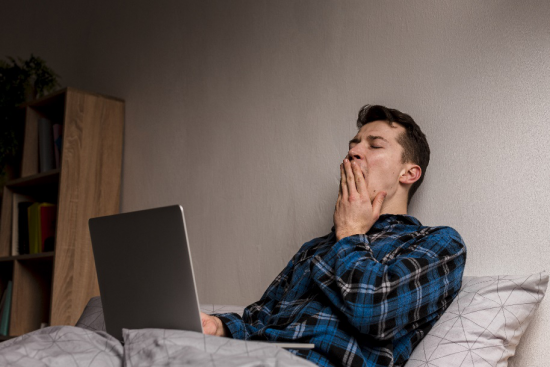
The most important items to consider
While distancing yourself from nnEMF sources is a key strategy, additional measures may be necessary to minimize exposure effectively. The following is a short list of perhaps the most important items to consider as you improve your sleep environment.
Eliminate Cell Phone from the Bedroom
This step is paramount for improving your sleep quality. Consider reverting to traditional battery alarm clocks and relocate your phone to an area outside the bedroom, like the kitchen. If this isn’t feasible, ensure your phone is in airplane mode during bedtime hours.
Be Aware of Plugs
Maintain a distance of 6-8 feet between electrical plugs and your bed, a crucial measure for safeguarding your health. Unplug non-essential devices overnight. Power strips, also known as surge suppressors, facilitate this process effectively.
Note: Avoid charging your phone near your bed. Use a battery alarm clock whenever possible.
Disable WiFi
High-speed WiFi is ubiquitous. Assess your bedroom for WiFi signals, including Bluetooth connections, wireless printers, and cable boxes, and take steps to deactivate them during sleep hours.
A more comprehensive list of nnEMF-emitting devices
Please remember that nnEMFs come from any objects that use electricity. So, when thinking about your bedroom, in addition to the above recommendations, here’s a more comprehensive list of nnEMF-emitting devices that you may need to remediate:
WiFi routers
Tablets, Laptops, Desktop Computers
Mobile phones and their chargers
Bedside clocks and lamps (plugged in)
Television
Mattresses plugged into the wall
Cable Box
Stereo
Wireless speakers
Exercise equipment
Fans
Air purifier
Baby monitors
Extension cords
The potential rewards will be substantial
Implementing the strategies outlined above may demand motivation, time, and discipline, yet the potential rewards in terms of enhanced sleep quality and overall well-being will be substantial. If you find yourself in need of assistance integrating healthy sleep habits into your daily routine, you may benefit from booking a 60-minute coaching session with me. It offers personalized guidance and support tailored to your specific sleep goals and challenges.
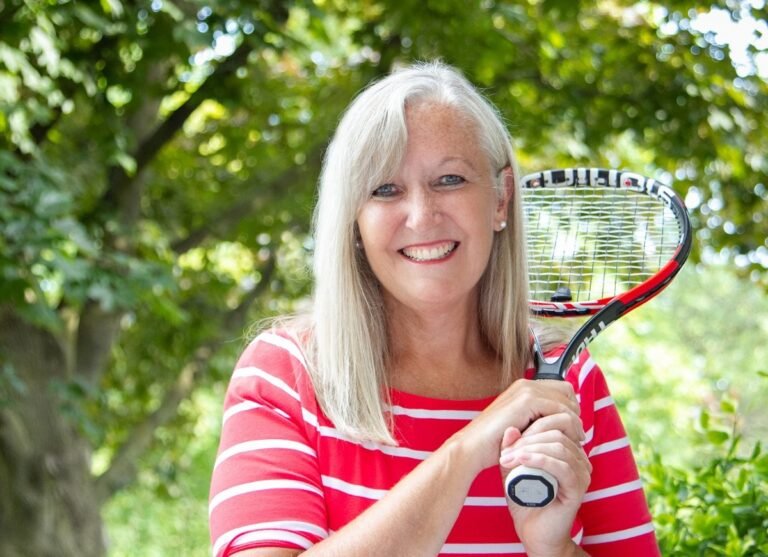
Meet Pam Killeen
Pam Killeen is a mineral balancing practitioner and nutritional consultant with nearly forty years of experience helping people restore the foundations of their health. Her work focuses on terrain-based approaches to chronic illness, parasites and metabolic dysfunction, drawing on hair tissue mineral analysis, circadian biology and ancestral nutrition.
She co-authored the New York Times bestseller The Great Bird Flu Hoax with Dr. Joseph Mercola, and is the author of Addiction: The Hidden Epidemic and Survival of the Unfittest. She lives in London, Ontario, and works with clients internationally.
Are you ready to take control of your sleep and transform your life?
If you have any questions, would like to order a lab test or want to talk through what has been going on with your sleep, please contact us to schedule a free 15-minute discovery call.
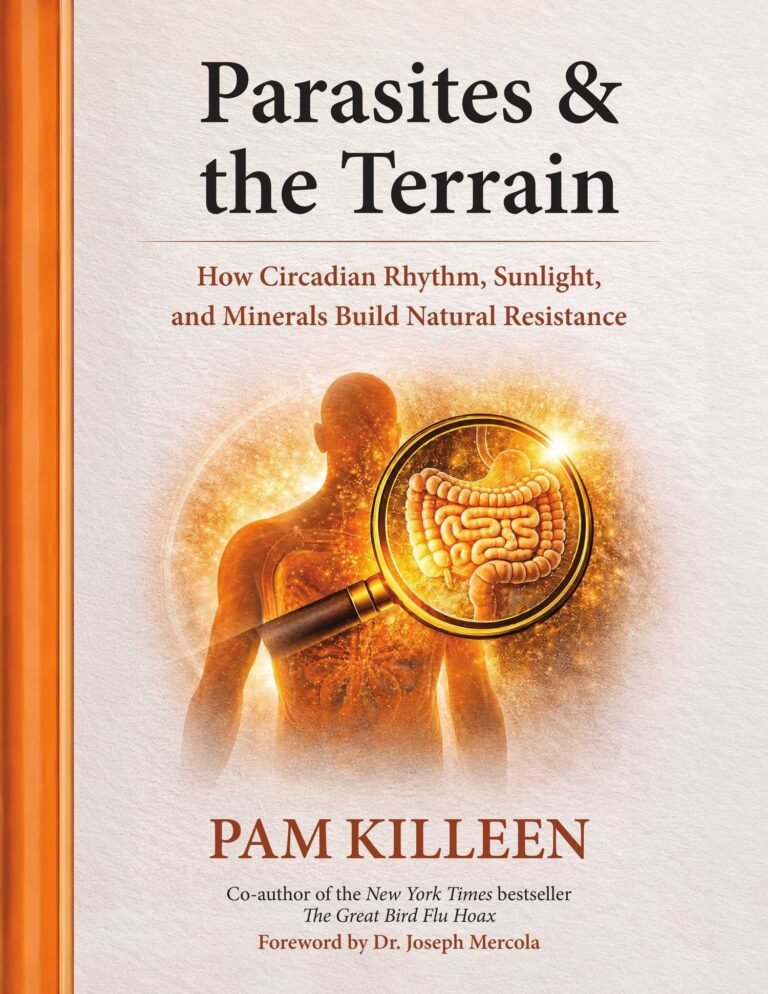
Sleep and terrain are the same subject
Most sleep advice treats sleep as the thing to fix. Blackout curtains, a cooler room, an earlier bedtime. Those help, and they are worth doing. But if sleep has been unreliable for years, it is usually reporting on something upstream: minerals that are out of balance, light signals arriving at the wrong times, or a nervous system that never gets to stand down.
Fix the signal and the sleep tends to follow. That is why sleep and terrain are the same subject in my work, and why both are in the book.
Parasites & the Terrain: How Circadian Rhythm, Sunlight, and Minerals Build Natural Resistance. Skyhorse Publishing. Hardcover, 336 pages.
More in the sleep series
Optimize Sleep
Discover how optimizing your circadian rhythm and improving sleep quality can improve vitality, cardiovascular health, cognitive function and more.
Sleep Hygiene
A comprehensive list of healthy sleep hygiene habits, from blue light blockers and dim evenings to a consistent sleep schedule and a dark, quiet bedroom.
Circadian Research
The research behind circadian health, with sources: the molecular clock, light, meal timing, and what the evidence does and doesn’t show.