
The Power of Circadian Research
In today’s fast-paced world, where demands often extend beyond daylight hours, sleep disorders have become increasingly prevalent. From insomnia to sleep apnea, these disruptions not only impact our nightly rest but also pose significant challenges to our overall health and well-being.
By Pam Killeen, mineral balancing practitioner and nutritional consultant
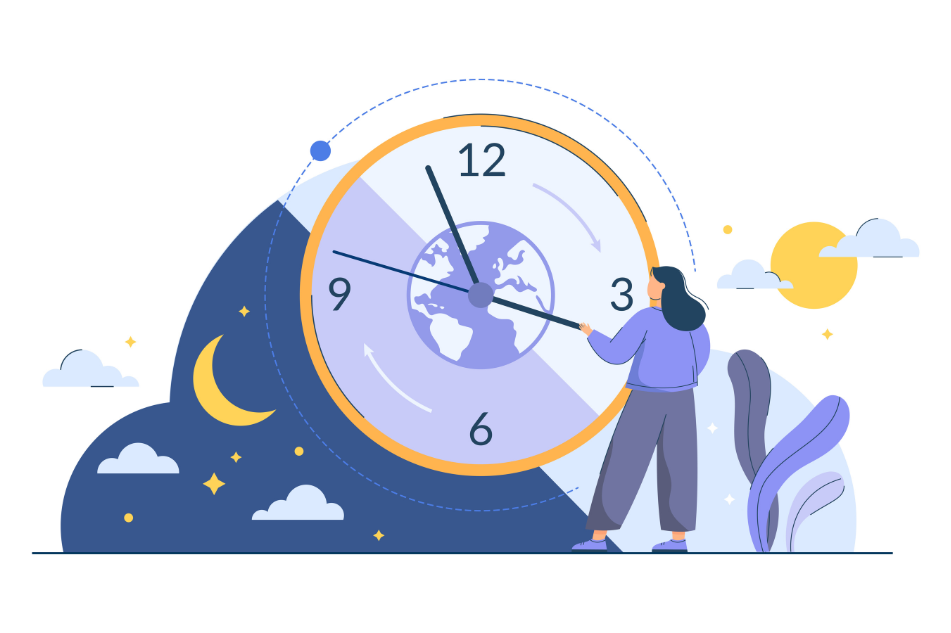
A Pathway to Resolving Sleep Disorders
However, emerging insights from circadian research offer promising avenues for understanding and addressing these sleep-related issues. Below, I will delve into the fascinating realm of circadian biology and explore how its principles can illuminate the path toward better sleep for those struggling with sleep disorders.
Overlooked Factors: Sleep Disorders in Chronic Illness
Many individuals grappling with complex chronic illnesses may overlook the importance of sleep quality in their healing journey. Prioritizing improvements in your sleep is a fundamental step toward optimizing your overall health.
Importance of Regulating Your Circadian Rhythm
Circadian rhythm is the natural, internal process that governs the sleep-wake cycle, repeating roughly every 24 hours. This rhythm is influenced by external cues such as light and temperature and is driven by a biological clock located in the suprachiasmatic nucleus (SCN) of the hypothalamus in the brain. Regulating your circadian rhythm is essential for achieving high-quality sleep and overall well-being.
How Your Circadian Rhythm Influences Sleep
The circadian rhythm dictates when we feel awake and alert and when we feel sleepy. It ensures that our sleep patterns align with the day-night cycle, promoting restful sleep and efficient wakefulness. Disruptions to this rhythm, such as those caused by shift work, jet lag, illness, or irregular sleep schedules, can lead to sleep disorders and decreased quality of sleep.
Circadian Health: Key to Well-being
The circadian rhythm is a fundamental aspect of human physiology, influencing sleep, hormone production, metabolism, mental health, immune function, cardiovascular health, and cognitive performance.
Sleep
Hormone production
Metabolism
Mental health
Immune function
Cardiovascular health
Cognitive performance
Your circadian rhythm influences metabolic processes, including digestion, appetite, and energy expenditure. Aligning eating patterns with circadian rhythms can improve digestion and metabolic health, reducing the risk of metabolic disorders such as obesity and diabetes.
The circadian rhythm also controls the release of various hormones, including melatonin, which promotes sleep, and cortisol, which helps us wake up and manage stress. Proper functioning of this rhythm ensures that hormone levels are balanced, supporting overall health and well-being.
Synchronizing Your Circadian Rhythm
Many factors can synchronize your circadian rhythms, with light and darkness being the most important external cues.
Light
Morning exposure to natural light signals to your brain that it’s time to wake up, while daylight throughout the day maintains alertness and keeps your circadian rhythm aligned with the external environment. Daylight exposure is also linked to the regulation of serotonin, a neurotransmitter that influences mood, promoting feelings of well-being and happiness.
Darkness
On the other hand, darkness triggers the production of melatonin, helping to induce sleepiness and maintain sleep throughout the night.
The Vicious Cycle of a Disrupted Circadian Rhythm
When your circadian rhythm is disrupted, whether due to irregular sleep schedules, excessive exposure to artificial light, or other factors, it can lead to a variety of sleep disorders that can last for years, even decades. You might struggle to fall asleep, stay asleep, or find it difficult to go back to sleep if you wake up too early. Persistent patterns of poor sleep quality can make it feel almost impossible to break free.
Please be patient as you adopt healthy circadian habits. If you’ve been struggling with sleep issues for years, it could take several weeks or months before you notice any improvements.
Adopting Circadian Principles
Rebooting your circadian rhythm can be a straightforward process for some, while others may find it challenging to incorporate these principles into their lives. If you feel you need additional support to reset your circadian rhythm, consider booking a 60-minute coaching session with me, where we delve deeper into the principles outlined above and below.
Circadian Research and Sleep Disorder Management
Fortunately, circadian research offers valuable insights into managing and alleviating sleep disorders. By aligning our behaviors and environments with the natural rhythms of our bodies, we can optimize sleep quality and promote overall well-being. Here are some key strategies:
Light Exposure
Exposure to natural light during the day and minimizing exposure to artificial light (particularly blue light from electronic devices) in the evening can help regulate circadian rhythms and improve sleep quality.
Sleep Hygiene Practices
Establishing a consistent sleep schedule, creating a relaxing bedtime routine, and optimizing sleep environments (e.g., ensuring darkness and comfortable temperatures) are essential components of good sleep hygiene that support circadian health.
Diet and Exercise
Consuming meals at regular intervals and avoiding heavy meals close to bedtime can help regulate circadian rhythms. Similarly, engaging in regular physical activity during the day promotes restful sleep by enhancing circadian synchronization.
Supplementation
Certain supplements may be used to support circadian rhythms and alleviate sleep disturbances, particularly in cases of jet lag or shift work sleep disorder.
Chronotherapy
In some cases, chronotherapy (the strategic manipulation of sleep-wake schedules) may be employed to reset circadian rhythms and alleviate sleep disorders. This approach is often used in the treatment of conditions like delayed sleep phase syndrome and non-24-hour sleep-wake disorder.
A beacon of hope for better sleep
Circadian research holds immense promise for individuals grappling with sleep disorders. By embracing the principles of circadian biology and implementing targeted interventions informed by this research, we can unlock new pathways to restorative sleep and improved well-being. Whether through optimizing light exposure, adopting healthy sleep habits, or exploring innovative treatment approaches, circadian research offers a beacon of hope for those seeking relief from the burden of sleep disorders.
More in the sleep series
Optimize Sleep
Discover how optimizing your circadian rhythm and improving sleep quality can improve vitality, cardiovascular health, cognitive function and more.
Sleep Hygiene
A comprehensive list of healthy sleep hygiene habits, from blue light blockers and dim evenings to a consistent sleep schedule and a dark, quiet bedroom.
Reduce EMFs
Practical tips to minimize nnEMF exposure, improve your sleep quality, and create a healthier, more restorative nighttime environment.

Meet Pam Killeen
Pam Killeen is a mineral balancing practitioner and nutritional consultant with nearly forty years of experience helping people restore the foundations of their health. Her work focuses on terrain-based approaches to chronic illness, parasites and metabolic dysfunction, drawing on hair tissue mineral analysis, circadian biology and ancestral nutrition.
She co-authored the New York Times bestseller The Great Bird Flu Hoax with Dr. Joseph Mercola, and is the author of Addiction: The Hidden Epidemic and Survival of the Unfittest. She lives in London, Ontario, and works with clients internationally.
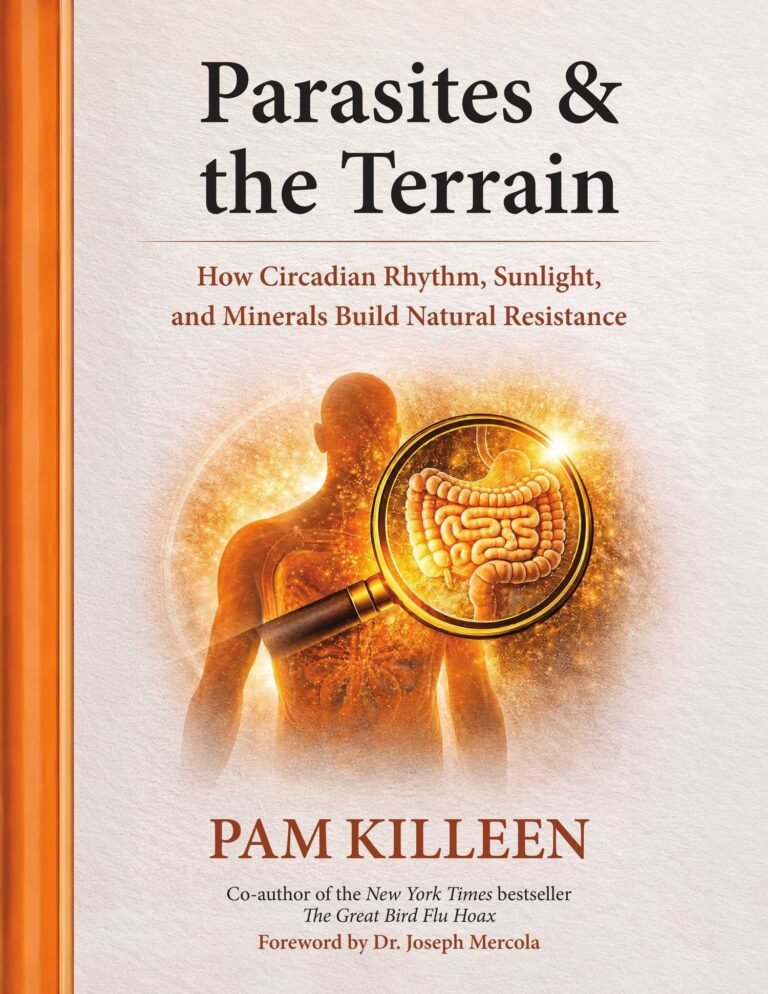
Sleep and terrain are the same subject
Most sleep advice treats sleep as the thing to fix. Blackout curtains, a cooler room, an earlier bedtime. Those help, and they are worth doing. But if sleep has been unreliable for years, it is usually reporting on something upstream: minerals that are out of balance, light signals arriving at the wrong times, or a nervous system that never gets to stand down.
Fix the signal and the sleep tends to follow. That is why sleep and terrain are the same subject in my work, and why both are in the book.
Parasites & the Terrain: How Circadian Rhythm, Sunlight, and Minerals Build Natural Resistance. Skyhorse Publishing. Hardcover, 336 pages.
Are you ready to take control of your sleep and transform your life?
If you have any questions, would like to order a lab test or want to talk through what has been going on with your sleep, please contact me to schedule a free 15-minute discovery call.